

Instead of just fixing mistakes, create procedures specifically designed to prevent common accounting errors. Implement pre-reconciliation checklists, establish amount thresholds for both invoice and corporate card spend that trigger additional review, and create verification steps for high-risk transactions.. This preventive approach reduces time spent on corrections later and helps maintain clean records from the start. Traditional finance reconciliation methods are no longer sustainable in today’s fast-paced financial landscape. Manual processes create bottlenecks, increase the risk of errors, and limit financial visibility.

How to Reconcile WooCommerce Payments in QuickBooks in 2026
The platform’s real-time access to transaction data helps quickly identify discrepancies and resolve them before they become larger issues. With automated payment reconciliation, businesses can minimize human errors, speed up the reconciliation process, and improve cash flow management. Additionally, reconciling payments BillingPlatform’s user-friendly interface simplifies complex reconciliations, enabling finance teams to work more efficiently.
Payment Reconciliation: Definition, Types, and How It Works
Regular payment verification prevents overpayments as well as missed payments while maintaining healthy cash flow. Fraud prevention is another critical reason why payment reconciliation matters. By regularly reviewing payment transactions, businesses can spot fraudulent activities or unauthorized charges early, reducing the risk of financial losses. This is especially important in industries dealing with high volumes of transactions or sensitive customer data.
- This slows down the payments reconciliation process and prevents the timely detection and resolution of transaction leaks.
- Think of it as a financial double-check—it ensures no payment has been missed, over-applied, or misallocated.
- In practice, it’s anything but, especially for businesses handling large volumes of transactions across multiple PSPs.
- Please keep in mind that the QuickBooks Online integration will need to be set up and connected before payments will sync from Housecall Pro to QBO.
- Regular payment verification prevents overpayments as well as missed payments while maintaining healthy cash flow.
- Credit card reconciliation ensures that payments are being processed correctly and accurately.
What Are the Disadvantages of Manual Bank Reconciliation?
For example, an outbound sales invoice for £100 corresponds perfectly with a bank record showing an inbound payment of £100. This is straightforward Statement of Comprehensive Income and the two records are easy to resolve, particularly with the help of automated accounting software. These finance teams need an automated reconciliation tool like Ledge that has multi-way automated reconciliation capabilities, supporting the diverse stacks that most businesses now offer and support. Externally, when transactions are processed, the bank records the activity. When a monthly statement is made available, companies check the statement of record. Here, every transaction is listed, including cost along with the vendor and payment method.
The challenges of manual reconciliation can quickly overwhelm finance teams. Automating the reconciliation process addresses these obstacles, helping companies save time, reduce errors, and maintain more accurate financial records. First, gather all relevant financial documents, such as bank statements, invoices, and receipts. These documents form the basis for verifying the accuracy of recorded transactions.

Develop error prevention protocols
By routinely checking financial records against bank statements, businesses can detect and address issues promptly, preventing potential fraud and mitigating losses. Payment reconciliation focuses on matching customer payments with invoices to ensure cash is applied correctly, while bank reconciliation compares company records with bank statements. Both processes keep books accurate, highlight discrepancies, and help businesses prevent costly errors and potential fraud.
Collect Unpaid and Late Invoices
- For example, a company that reconciles accounts payable every Friday can quickly identify a missing invoice and resolve the issue before it impacts month-end reporting.
- Manual payment reconciliation slows your finance team down and makes it harder to close your books on time.
- Credit card reconciliation is similar but focuses on credit card accounts.
- This platform helps businesses automate payment reconciliation with built-in intelligence, seamless integration, and expert-driven support.
- Errors or omissions can result in inaccurate financial statements, leading to costly penalties and fines.
- But when done right, reconciliation can help you uncover cost-saving opportunities, strengthen financial controls, and get clear visibility into your cash flow.
- Long term projects may have payments that carry over into another pay period.
Here are a few examples of how organizations benefit from an automated payment reconciliation process. Suspicious activity is more difficult to detect across a manual payment reconciliation process, increasing the risk of fraud. AP audits can be time-consuming if the payment reconciliation is not done correctly. An audit is often done by a third https://www.bookstime.com/ party or internal team to check a company’s financial statements.
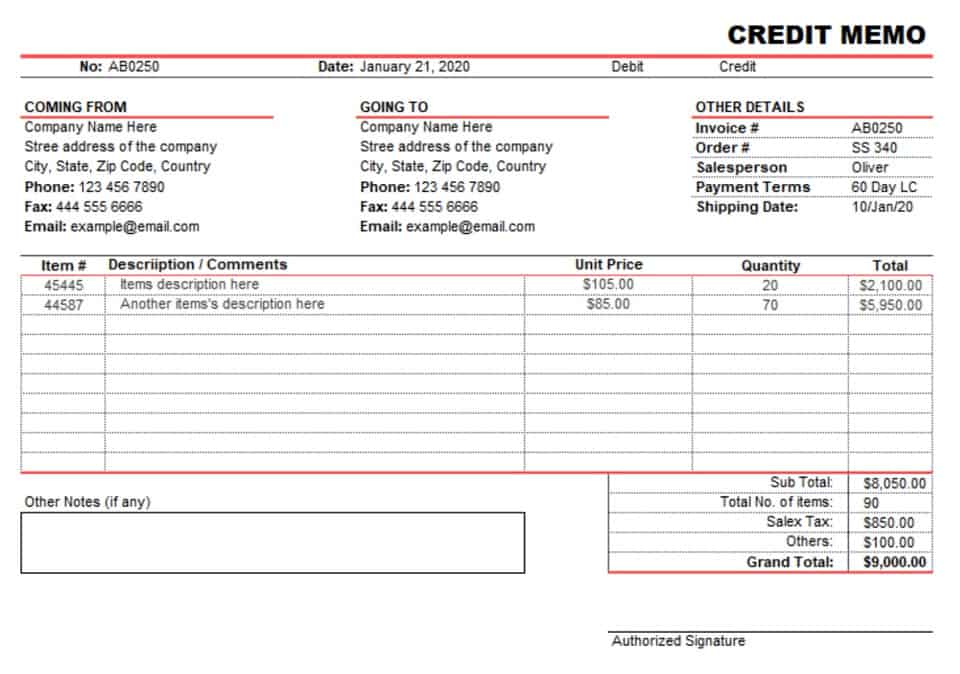
Up-to-date, well documented accounting practices ensure companies are operating efficiently and poised for growth. The best way to make sure you’re in good financial health is to establish a robust payment reconciliation protocol. Rather than being consumed by the tedious process month-in and month-out, companies can leverage payment reconciliation software to assist.